7 Tips for Choosing an Industrial Air Compressor
Choosing an industrial air air compressor is not simply a purchase decision. It affects production stability, energy costs, product quality, and maintenance workload. A poorly matched unit may run continuously, yet still fail during peak demand. That uncomfortable detail deserves attention.
The U.S. Department of Energy reports that compressed-air systems can represent about 10% of industrial electricity consumption. Its guidance also identifies leaks, excessive pressure, and unsuitable controls as major sources of waste. The Compressed Air Challenge further notes that leaks can consume 20% to 30% of compressor output in poorly maintained systems. These figures make sizing, efficiency, air quality, and lifecycle cost essential evaluation points.
Ron Marshall, an industrial compressed-air systems specialist, has described compressed air as “the fourth utility.” The phrase is brief, but practical. A compressor room can sound quiet while a leaking hose drains energy continuously. This guide examines seven selection tips, including demand profiling, duty cycle, pressure requirements, dryer compatibility, filtration, controls, and service support. It also considers real plant conditions, such as dusty floors, humid air, limited space, and changing production shifts. Some recommendations may appear obvious. They are still frequently overlooked. Energy labels alone cannot reveal every operating cost. A careful buyer should question catalog claims, verify measurements, and compare several years of ownership data. That process is slower. It is usually safer.
Define the Required Airflow, Pressure, and Duty Cycle
Choosing an industrial air compressor starts with three measurements: airflow, pressure, and duty cycle. Do not guess. Record actual demand during production, cleaning, tool use, and shift changes. Measure the worst hour. Flow should reflect peak demand, not only the daily average. Add reasonable capacity for future expansion, but avoid excessive oversizing. A lightly loaded compressor may cycle frequently, waste energy, and suffer unnecessary wear.
Pressure requirements need equal attention. List every application, then identify the highest required operating pressure. Include pressure losses from filters, dryers, piping, and hoses. The U.S. Department of Energy reports that compressed air can represent 10% to 30% of industrial electricity use, depending on the facility. Small pressure increases can therefore create meaningful operating costs. The Compressed Air Challenge also notes that leaks commonly waste 20% to 30% of compressor output. Fixing leaks may be cheaper than buying capacity.
Duty cycle describes how long the compressor runs under load. Intermittent tools need different sizing from continuous process equipment. A compressor designed for a 40% duty cycle may struggle at 90%. Review hourly demand data, receiver size, start-stop frequency, and seasonal changes. ISO 1217 test methods improve comparison, but published performance still requires site verification. This is where many plans go wrong: clean factory data rarely matches a dusty, changing production floor. Recheck measurements after installation.
Match the Compressor Type to Your Industrial Application
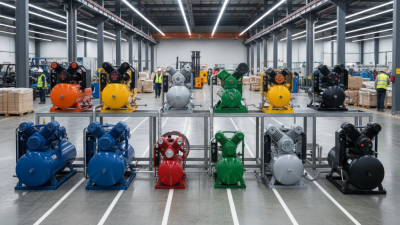
Choosing an industrial air compressor starts with the application, not the catalog price. A reciprocating compressor suits intermittent demand, such as workshop tools or small batch production. A rotary screw compressor handles steady plant air with fewer pressure swings. Centrifugal units fit large facilities requiring high, continuous flow. Match the compressor type to the actual duty cycle.
Measure twice.
Record the required pressure, flow rate, operating hours, and starting load. A compressor rated for 8 bar may struggle if the system needs 7 bar at the farthest machine. Include pressure losses from dryers, filters, long pipe runs, and narrow fittings. In a dusty metalworking area, intake filtration and enclosure design deserve close attention. In food or pharmaceutical production, oil-free air may be essential for product protection. That choice can increase purchase and maintenance costs, so verify the air-quality specification before selecting equipment.
Variable-speed control can reduce energy use when demand changes, but it is not automatically the best option. A system running near full load may gain little from it. Check the motor’s operating range, cooling method, and service access. I have seen selections based on peak flow alone, leaving the compressor oversized for most shifts. That creates unnecessary cycling and wasted energy. Review production data from a normal week, not just the busiest hour. Then confirm condensate management, noise limits, and technician access before approval.
Evaluate Energy Efficiency and Total Operating Costs
7 Tips for Choosing an Industrial Air Compressor
Energy efficiency should be measured at the plant, not only on a specification sheet. The U.S. Department of Energy reports that compressed air may consume 10–30% of a facility’s electricity. Small pressure losses can become expensive. Tip: Compare specific power, measured in kW per 100 cfm, at your actual operating pressure. Check performance during peak and partial-load demand. A unit that looks efficient at full load may perform poorly overnight.
Total operating cost includes electricity, maintenance, dryers, filters, cooling, and downtime. DOE guidance notes that leaks can waste 20–30% of compressed air production in poorly maintained systems. Tip: Request a compressed-air audit before purchasing. Record flow, pressure, temperature, and leakage for several shifts. ISO 11011 recommends evaluating system efficiency across generation, distribution, and demand. That wider view matters.
Do not trust one calculation. Tariffs change. Production schedules change. A spreadsheet can still mislead. Tip: Ask suppliers for a five-year cost model using your measured load profile. Include service intervals and replacement components. Consider variable-speed control only when demand regularly fluctuates; constant demand may favor another design. Experience from maintenance teams also matters. Operators notice cycling, heat, and moisture before reports reveal them. Verify every claim with measured data and independent testing.
Check Installation Space, Air Quality, and Maintenance Needs
7 Tips for Choosing an Industrial Air Compressor
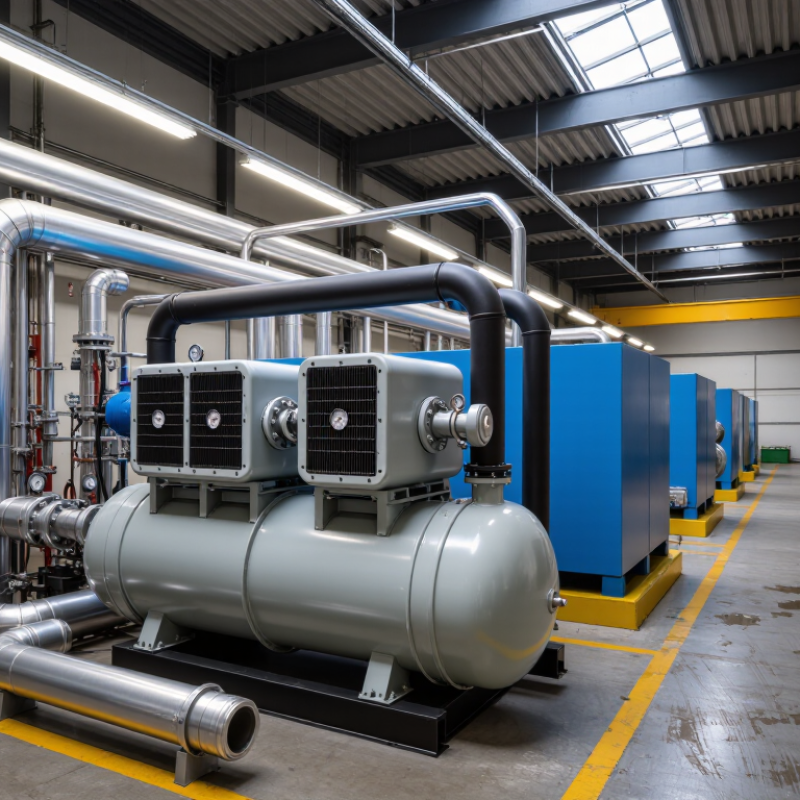
Tip: Check the installation space before comparing models. Measure ceiling height, doorway width, service clearance, and ventilation routes. A compact room can trap heat around the compressor. Leave enough space for filter changes and safe inspection. I once saw a unit installed too close to a wall. Routine maintenance became slow and awkward.
Tip: Match air quality to the process. Food packaging, electronics, and painting may require cleaner air than general workshop tools. Identify oil, moisture, particles, and odor risks before selecting filtration. Do not assume “oil-free” solves every contamination concern. Filters also need correct sizing, drainage, and replacement intervals. Test air quality when the application is sensitive.
Tip: Study the maintenance workload. Check access to belts, valves, coolers, filters, and drains. Ask how often each part requires inspection. Choose controls that record operating hours, temperature, and pressure changes. These details can reveal problems early. Keep spare filters on site. Small delays can stop production.
Tip: Confirm the compressor suits your duty cycle. Intermittent tools need different performance from continuous manufacturing lines. Tip: Review ambient temperature and dust levels. Harsh conditions shorten service life. Tip: Consider noise near operators. Tip: Calculate future air demand, not only today’s demand. My own estimates have sometimes been too optimistic, especially after production expands. Recheck the numbers with actual usage data.
7 Tips for Choosing an Industrial Air Compressor
Check installation space, air quality, and maintenance needs before selecting a compressor for your application.
The chart shows typical operating-pressure ranges for common compressed-air applications. Use the required pressure, flow demand, duty cycle, available installation space, air-quality class, electrical supply, noise limits, and maintenance access to compare compressor options. Select a unit that meets peak demand without exceeding the pressure required by the equipment.