Top Process Equipment Trends to Watch in 2026?
The landscape of process equipment is evolving rapidly, driven by technological advancements and changing market demands. Industry reports indicate that the global process equipment market is projected to reach $1.1 trillion by 2026, with a compound annual growth rate (CAGR) of 5.2%. This growth reflects increased investments in manufacturing and process optimization across various sectors, including chemicals, pharmaceuticals, and food production.
As we approach 2026, key trends emerge in the process equipment sector. Automation and smart technologies are reshaping operations, enhancing efficiency and reducing downtime. Moreover, sustainability initiatives are prompting companies to adopt eco-friendly materials and energy-efficient designs. Research from leading analyst firms highlights that companies prioritizing these innovations can improve productivity by up to 30%.
Despite these advancements, challenges remain. Companies may struggle with integration and costs associated with upgrading legacy systems. Additionally, the need for skilled professionals to operate sophisticated equipment is intensifying. Addressing these issues will require a strategic focus on workforce development and investment in training. The evolution of process equipment is a complex journey, but one that presents significant opportunities for those willing to adapt.
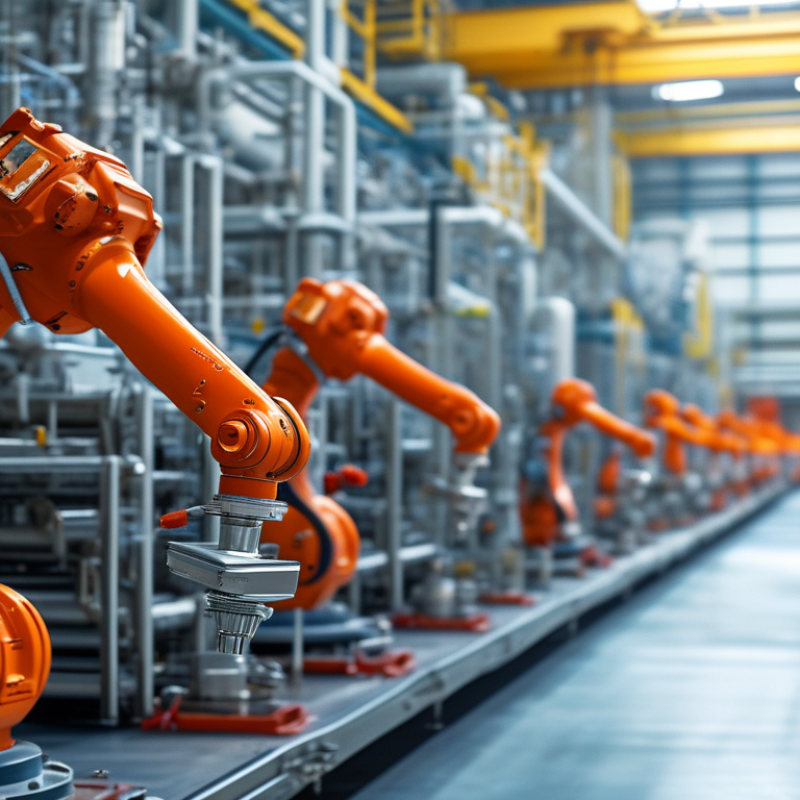
Emerging Technologies in Process Equipment for 2026
Emerging technologies in process equipment will shape the industry landscape by 2026. Data indicates that the global market for process equipment is expected to grow by 5.3% annually, driven by automation and digitalization. Advanced materials and smart sensors will revolutionize efficiency and reliability in operations. The integration of IoT devices will enable real-time monitoring, enhancing safety and performance.
Investing in predictive maintenance technologies will be crucial. Reports show that organizations using such technologies can reduce downtime by up to 25%. This approach not only saves costs but also improves overall productivity. Transitioning to energy-efficient equipment will further align with global sustainability goals. Manufacturers are increasingly adopting energy recovery systems to minimize waste.
Emerging technologies often come with challenges. Companies must evaluate compatibility with existing systems. Training staff to manage new technologies is vital for success. Keeping a flexible mindset will help organizations adapt to rapid changes. Prioritizing data security in IoT implementations cannot be overlooked, as vulnerabilities can lead to significant operational risks. Companies should regularly assess their strategies to stay current in this rapidly evolving arena.
Sustainability Trends Impacting Process Equipment Design
Sustainability is reshaping process equipment design, prompting industries to innovate. According to recent industry reports, over 70% of manufacturers are actively redesigning equipment to minimize energy consumption and reduce waste. This shift is not merely cosmetic; it is driven by regulations and a demand for more eco-friendly operations.
One aspect of sustainable design is the use of recyclable materials in construction. For instance, companies are exploring bioplastics as alternatives to traditional materials. Utilizing recyclables can lead to an 80% reduction in carbon footprints. Implementing energy-efficient technologies is another major trend. Many firms report a 30% improvement in energy efficiency with the latest innovations available.
Integrating renewable sources like solar energy into process equipment is an area for growth. This can significantly lower operational costs. However, challenges remain. Some equipment requires significant upfront investment, which can deter companies from adopting new technologies.
Investigating the balance between cost and sustainability becomes vital. A careful assessment of life cycle costs is necessary. This approach can help identify potential savings over time. A strategic commitment to sustainable design will enhance competitiveness and ensure compliance with future regulations.
Top Process Equipment Trends to Watch in 2026
The following bar chart illustrates the anticipated trends in process equipment designed with sustainability in mind for the year 2026. The data represents various categories of sustainability efforts integrated into process equipment, highlighting their importance and expected growth rate.
Automation and AI Integration in Process Equipment Industry
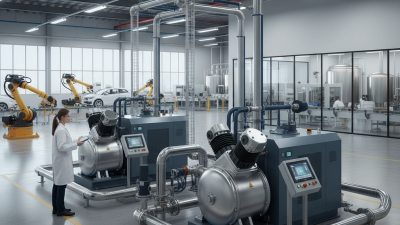
Automation and AI integration are reshaping the process equipment industry in significant ways. By 2026, manufacturers will witness enhanced efficiencies and reduced operational costs through advanced technologies. Machine learning algorithms can analyze vast datasets, providing insights that help optimize production processes. This shift not only improves operational reliability but also fosters a proactive approach to equipment maintenance.
As companies adopt autonomous systems, human oversight remains essential. There’s a risk of over-reliance on automation. Employees must understand and interpret AI-generated recommendations. It’s crucial for teams to maintain a balance between human insight and machine efficiency. Empowering workers with training on AI tools is vital to prevent potential blind spots.
Investing in smart equipment also enhances data collection. Real-time monitoring allows for quick adjustments in production. However, integrating these systems poses challenges. Compatibility with legacy equipment can be an issue. Companies should evaluate their current setups before transitioning to prevent disruptions. Planning and foresight are necessary to ensure a smooth evolution in processes.
Safety Enhancements and Regulations for Process Equipment in 2026
As we look ahead to 2026, safety enhancements in process equipment are becoming increasingly vital. The landscape of regulations is evolving, emphasizing worker protection and environmental stewardship. Recent studies show that companies prioritizing safety measures see significantly lower accident rates. But it’s essential to remember that compliance is not enough; organizations must embrace a culture of safety.
To ensure compliance with the latest regulations, conduct regular training sessions for all staff. This keeps everyone informed about new protocols and fosters a proactive safety mindset. Emphasize the importance of reporting near misses, as these insights can lead to preventive measures. Regular audits of equipment safety features can also uncover potential flaws.
Investing in innovative safety technologies is crucial. Features such as automatic shut-off systems and real-time monitoring can help avert disasters. Nonetheless, technology alone is not a panacea. Human oversight remains indispensable, and organizations should create a strong feedback loop where workers can voice concerns. This allows teams to adapt and respond to safety challenges effectively. Maintaining open channels of communication can bridge gaps and build trust, creating a safer workplace.
Market Demand Shifts Influencing Process Equipment Development
The process equipment industry is undergoing significant transformation driven by changing market demands. A recent study predicts a compounded annual growth rate (CAGR) of 5.6% for process equipment from 2023 to 2026. Factors such as sustainability and automation are reshaping product development. Companies are increasingly prioritizing energy efficiency and waste reduction in their designs.
One notable trend is the rise of smart equipment, which utilizes IoT technology. This innovation enhances operational efficiency and minimizes downtime. According to industry reports, data-driven decision-making can boost productivity by approximately 20%. However, not all manufacturers are adapting at the same pace. Some face challenges with integrating these advanced technologies into existing systems. Adopting new methods requires investment and training, which not all organizations are ready to commit.
Additionally, the demand for customized equipment is gaining momentum. Industries are seeking solutions tailored to their specific needs. Research indicates that 60% of companies prefer bespoke equipment options over standard models. This trend may lead to longer development cycles and increased project costs. Manufacturers must balance customization with efficiency to meet evolving customer expectations while maintaining their profitability.
Top Process Equipment Trends to Watch in 2026 - Market Demand Shifts Influencing Process Equipment Development
| Trend |
Market Impact |
Sector |
Expected Growth Rate |
| Increased Automation |
Higher efficiency and reduced labor costs |
Manufacturing |
15% CAGR |
| Sustainability Focus |
Increased demand for eco-friendly solutions |
Chemical Processing |
12% CAGR |
| Integration of IoT |
Enhanced monitoring and predictive maintenance |
Oil & Gas |
20% CAGR |
| Advanced Materials |
Better performance under extreme conditions |
Pharmaceuticals |
10% CAGR |
| Digital Twin Technology |
Improved operational efficiency |
Food & Beverage |
18% CAGR |