How to Ensure Effective Compressor Maintenance for Longevity and Efficiency?
Effective compressor maintenance is crucial for enhancing both efficiency and longevity in systems that rely on compressors. Many industries depend on these machines to ensure smooth operations. However, frequent issues arise due to neglect or improper care. Regular compressor maintenance helps prevent breakdowns and costly downtime. It promotes a longer lifespan for the compressors.
Ignoring necessary maintenance can lead to severe problems. Unchecked wear and tear may result in energy inefficiency. This not only increases operational costs but also impacts productivity. Schedule maintenance routines can be easy to forget, but they are essential. Even minor oversights can have significant repercussions.
Investing time in understanding compressor maintenance practices is invaluable. Deep cleaning or routine checks on components can reveal hidden faults. Educating staff on maintenance protocols enhances the equipment's performance. Neglecting this aspect can lead to dire consequences. Regular attention opens doors to improved efficiency and sustainability for organizations.
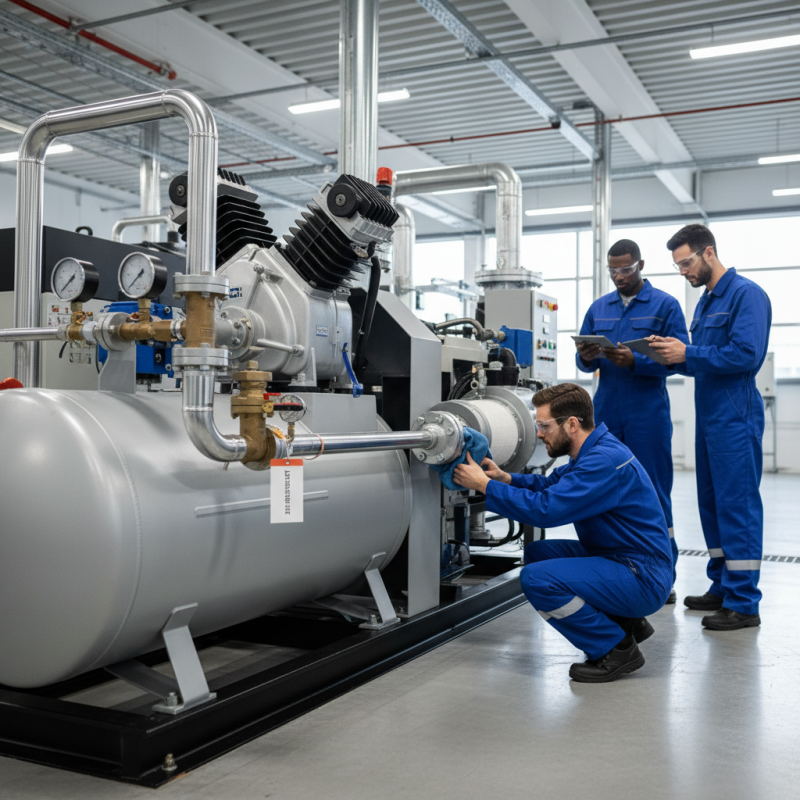
Importance of Regular Inspection and Monitoring for Compressors
Regular inspection and monitoring of compressors are crucial for maintaining their longevity and efficiency. A study from the International Journal of Industrial Technology reported that proper maintenance can increase a compressor's life span by up to 25%. Neglecting these practices can lead to increased downtime and costly repairs. Even minor issues, if overlooked, may escalate into significant failures.
Tips: Check the oil levels frequently. Low oil can lead to excessive wear.
Monitoring temperature and pressure levels is essential. Abnormal readings can indicate problems like refrigerant leaks or blockages. Regularly logging these metrics can help identify trends over time. A 2019 report indicated that 30% of compressor failures stem from unnoticed irregularities in these vital parameters.
Tips: Schedule monthly inspections. Consistency is key to preventing failures.
Ignoring regular maintenance can result in performance declines. In some cases, compressors operate at merely 70% efficiency without proper care. Essential tasks like cleaning filters and tightening loose connections can have a big impact. These small details make a difference in longevity and efficiency. Stay vigilant and proactive.
Understanding Common Compressor Issues and Their Solutions
Compressors play a crucial role in various industries. However, they often encounter common issues that can affect their performance. Overheating is a major problem that can arise from blocked air filters. Regularly cleaning or replacing these filters can help maintain airflow and prevent overheating. The sight of a clogged filter is a clear call to action.
Another frequent issue is oil leaks. These can lead to reduced efficiency and increased operational costs. Inspecting seals and connections can reveal potential leaks. Regular maintenance checks should focus on these areas to avoid expensive repairs. A small drop of oil can lead to significant problems down the road.
Vibration is yet another concern. Excessive vibration can indicate misalignment or worn-out parts. Ignoring this can lead to further damage. Checking alignment and tightening loose components should be part of routine maintenance. Addressing these common issues early can help extend the lifespan of the compressor and improve its efficiency.
Maintenance Best Practices for Different Types of Compressors
Proper maintenance of compressors is crucial for their longevity and efficiency. Different types of compressors require tailored maintenance processes. For reciprocating compressors, regular lubrication is key. Check oil levels consistently. Change the oil according to the manufacturer's recommendations to avoid damage. Look for signs of wear in the piston rings. Addressing small issues early can prevent significant failures later.
Rotary screw compressors are another common type. Keep the intake air filters clean. Dirty filters can reduce efficiency and lead to overheating. Inspect belts and hoses regularly. They can wear out or break unexpectedly. Monitoring temperatures and pressures is vital. If numbers fluctuate, investigate the root cause promptly. Even small deviations can indicate bigger problems.
Centrifugal compressors should have their impellers examined frequently. Accumulation of debris can disrupt airflow, leading to reduced performance. Check seals frequently to prevent leaks. Monitoring vibration can provide early warnings of mechanical issues. It's easy to overlook small noises or vibrations, but they can signal larger problems. Listening and acting on these signs can save time and repair costs.
Utilizing Proper Lubrication Techniques for Compressor Efficiency
Proper lubrication is crucial for compressor efficiency. A study shows that improper lubrication can lead to energy loss up to 20%. Using the right lubricant type significantly impacts the compressor's lifespan. Oil selection should match the compressor's operating conditions. Regular monitoring of lubricant quality is essential.
Many facilities overlook routine checks. Neglecting to change oil can cause sludge build-up. This can reduce efficiency and create wear. It's recommended to analyze the lubricant every six months. Proper viscosity levels also play a role. Too thick or too thin can hinder performance.
Inadequate lubrication leads to overheating. Studies indicate overheating accounts for about 30% of compressor failures. Managers should train staff on lubrication techniques. Using automated systems can eliminate human error. Following optimal lubrication schedules is vital for ensuring longevity. Staying informed on best practices can enhance operational efficiency.
Scheduling Routine Maintenance: Timing and Frequency Considerations
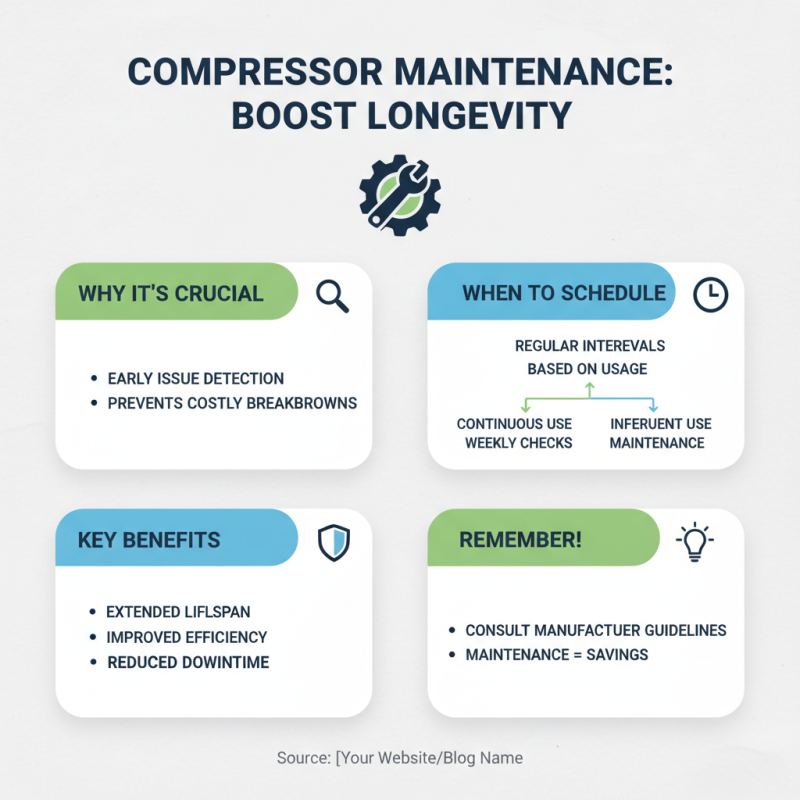
Scheduling routine maintenance for compressors is crucial for their lasting performance. It allows for early detection of issues and prevents costly breakdowns. Ideally, maintenance should happen at regular intervals based on usage patterns. For compressors that operate continuously, weekly checks might be necessary. For those that run infrequently, monthly maintenance could suffice.
However, many overlook the importance of record-keeping. Without logs, it’s challenging to track patterns or diagnose recurring issues. This oversight can lead to longer downtimes. On the flip side, excessive maintenance can also be problematic. It may waste time and resources if no significant issues arise. The key lies in finding a balance that works for the specific compressor type and its usage. Regular assessments of maintenance effectiveness are essential. They can highlight areas needing improvement.