Why Choose UVB LED Module for Your Next Project?
When embarking on a new project, the choice of lighting technology plays a crucial role. The UVB LED module stands out as an innovative solution in various applications. Its unique ability to produce ultraviolet light makes it highly effective for tasks ranging from plant growth to sterilization.
Choosing the UVB LED module can enhance efficiency and reduce energy consumption. This technology offers precision in emitting specific wavelengths. It allows for customized applications tailored to individual project needs. However, understanding its limitations is important. The effectiveness may vary based on environmental conditions or integration methods, prompting further exploration and testing.
Overall, the UVB LED module is a powerful tool for any project seeking optimal results. It combines practicality with advanced technology. Nevertheless, careful planning and assessment remain critical for success. Integrating this innovative lighting solution can dramatically enhance project outcomes. Embracing the UVB LED module opens doors to a myriad of possibilities in various fields.
Benefits of UVB LED Modules in Various Applications
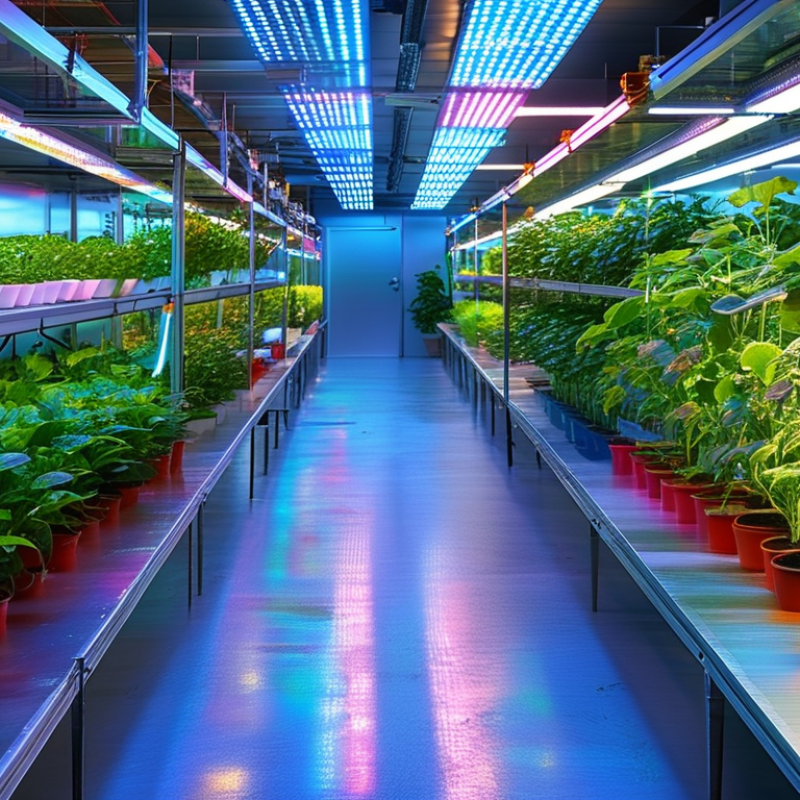
When embarking on your next project, consider the diverse benefits of UVB LED modules. These modules excel in applications ranging from horticulture to healthcare. They emit specific wavelengths which can enhance plant growth and increase yield. In medical settings, UVB light can aid in certain treatments, promoting skin healing and eliminating bacteria.
Tips for implementation: Ensure you select the correct wavelength for your intended application. Different plants require varying light spectrums for optimal growth. In healthcare, consult with professionals to determine the safe intensity of UVB light for patient treatments.
Using UVB LEDs can lead to cost efficiency as well. They consume less power compared to traditional lighting, reducing energy bills. Additionally, their long lifespan means fewer replacements, saving time and resources.
However, it’s crucial to use UVB LEDs responsibly. Overexposure may cause harm, especially in therapeutic uses. Continuous research is necessary to fully understand the long-term effects of UVB exposure on plants and humans alike.
Comparative Analysis: UVB LED Modules vs. Traditional Lighting
When comparing UVB LED modules to traditional lighting, the differences become evident. UVB LEDs offer specific wavelengths that are effective for various applications, such as horticulture and photography. Traditional lights often emit broad-spectrum wavelengths, producing excess heat and less targeted light. This can lead to inefficient energy use.
In addition, UVB LEDs have a longer lifespan. Standard bulbs may last a few thousand hours, but LED modules can last up to 25,000 hours or more. This durability reduces maintenance costs significantly. However, installation may require more planning and expertise compared to traditional lighting setups.
While many advantages exist, users should consider potential drawbacks. UVB LEDs could be more expensive upfront than traditional options. Additionally, understanding how to integrate them into existing systems can be challenging. Adaptation may demand time and effort from users. Evaluating the unique needs of each project is essential before making a decision. Balancing costs with long-term benefits is critical.
Why Choose UVB LED Module for Your Next Project? - Comparative Analysis: UVB LED Modules vs. Traditional Lighting
| Feature | UVB LED Module | Traditional Lighting |
| Energy Efficiency | Up to 90% more efficient | Less efficient, higher energy costs |
| Lifespan | 50,000+ hours | 1,000-2,000 hours |
| Heat Emission | Low | High |
| Environmental Impact | Low, contains no hazardous materials | Contains hazardous materials (like mercury) |
| Light Spectrum | Customizable UVB output | Fixed spectrum |
| Initial Cost | Higher initial investment | Lower initial investment |
Energy Efficiency and Cost Savings with UVB LED Technology
Energy efficiency is crucial in modern lighting solutions. UVB LED technology stands out for its significant cost savings. Reports indicate that LED systems can save up to 75% in energy costs compared to traditional bulbs. This reduction translates not only to savings on electricity bills but also decreases the overall carbon footprint.
In facilities using UVB LEDs, maintenance costs drop markedly. These modules have a longer lifespan, often exceeding 50,000 hours. Traditional lighting systems may require replacement every few thousand hours. With fewer replacements, businesses can allocate resources more effectively. Furthermore, using UVB LEDs can improve operational efficiency. Research suggests that facilities see improved productivity, as better lighting enhances worker focus.
However, transitioning to UVB technology isn't solely about savings. Some users report challenges during the initial setup. The design of UVB LED modules may need adjustments to fit existing fixtures. Additionally, while energy savings are notable, the upfront investment can be a hurdle for some. Each project should evaluate its specific needs and potential ROI carefully.
Design Flexibility and Customization Options for Projects
When considering UVB LED modules for your next project, design flexibility is a key benefit. These modules can adapt to various applications, from horticulture to medical therapies. You can customize the spectrum of light, intensity, and even size to fit your specific needs. This ability to modify aspects of the UVB LED module ensures that you can tailor the solution to achieve desired outcomes.
Tips for customizing your UVB LED module: assess the specific requirements of your project. Understand the needs of your plants or your therapeutic aims. This focus can guide your adjustments effectively. Experiment with different configurations to reveal what works best.
It is important to reflect on your design choices. Sometimes, over-customization can complicate the project. A simpler approach with fewer variables might yield more reliable results. Balance customization with practicality for optimum solutions. By keeping the design straightforward, you can enhance efficiency rather than complicate it.
Environmental Impact of Using UVB LED Modules in Industry
The environmental impact of using UVB LED modules in industry is significant. These modules offer a more sustainable alternative to traditional lighting solutions. By consuming less energy, they reduce carbon emissions, which is essential for combating climate change. Their long lifespan also means less waste, contributing to a healthier planet.
Moreover, UVB LED modules tend to have a lower heat output compared to conventional lighting. This leads to decreased cooling costs in industrial settings. However, it’s crucial to acknowledge the challenges that arise from transitioning to UVB technology. There may be initial costs and a need for employee training. These factors require careful consideration in project planning.
While UVB LEDs provide numerous benefits, their effectiveness can vary based on the application. Not all projects may see significant gains. It’s essential for industries to evaluate their specific needs. Finding the right balance between efficiency and functionality is key to achieving long-term success.