How to Choose the Right Steel Pipe for Your Project?
Choosing the right Steel Pipe for your project can significantly impact its success. Industry expert John Smith, a leading authority in structural engineering, once stated, "The right material choice is crucial for durability and performance." Selecting a steel pipe is not just about size or cost; it involves understanding the specific needs of your project.
Consider the environment where the steel pipe will be used. Different applications and conditions require distinct steel grades. For example, pipes exposed to harsh chemicals need special coatings. The wrong choice may lead to expensive repairs and safety hazards.
Ultimately, knowing your project requirements will help you make an informed decision. You might find yourself leaning towards a particular type due to cost or availability. However, taking the time to weigh all options is essential. The right steel pipe can serve your needs for many years, while the wrong choice might haunt you with ongoing issues.
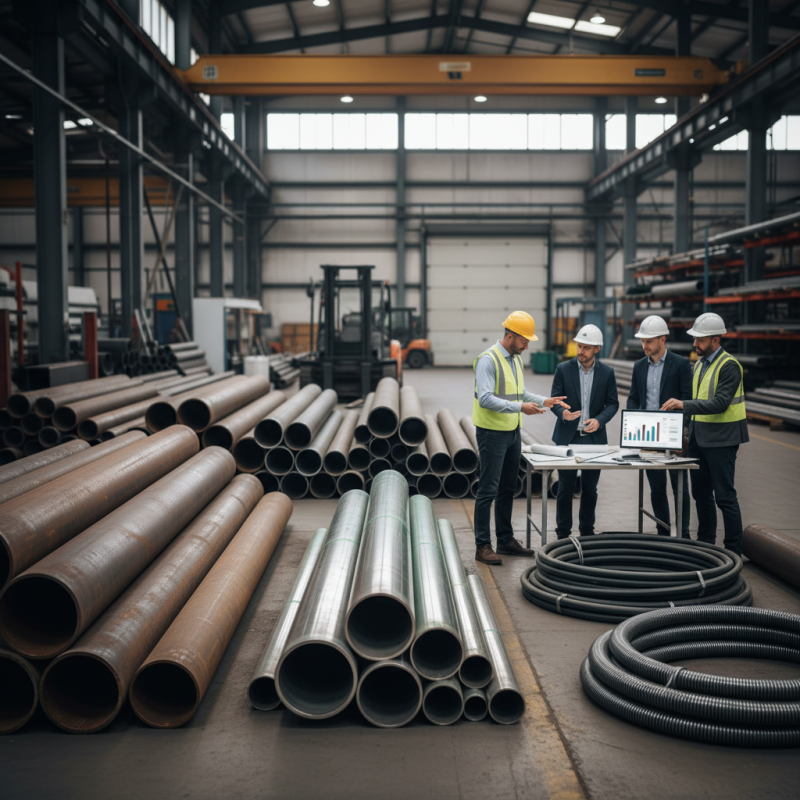
Understanding the Different Types of Steel Pipes Available
When selecting the right steel pipe for your project, understanding the various types available is crucial. Steel pipes fall into several categories, including seamless and welded. Seamless pipes are crafted from a single piece of steel, allowing for greater strength and reliability. Welded pipes, created by joining steel sheets, are often more economical but can have weaker points along the welds.
Tips: Always consider the specific requirements of your project. If pressure and temperature are high, seamless pipes may be the better choice. For applications with less strain, welded pipes can be sufficient.
Another key factor to consider is the pipe's diameter and thickness. The diameter impacts flow rates, while thickness affects durability. Larger diameters generally allow for greater flow, but they may also increase costs. Don't overlook the importance of corrosion resistance. Some projects may require specialized coatings or treatments to prevent rust and degradation.
Tips: Assess the environmental conditions your pipes will face. If they are exposed to moisture, opt for galvanized or coated options to enhance lifespan. Remember, the right choice today can save you from costly repairs down the line. Always evaluate the long-term implications of your material selections.
Key Considerations for Selecting Steel Pipe Dimensions
When selecting steel pipe dimensions, it’s crucial to consider your project's specific requirements. Different applications demand various sizes and specifications. For instance, water transport may require larger diameters, while gas pipelines might need smaller, lighter pipes. Ensuring the right fit is vital for efficiency and safety.
The wall thickness of the pipe also matters. Thicker walls can handle higher pressure but may add unnecessary weight. A balance must be struck between durability and practicality. Additionally, pipe length can affect handling and installation. Shorter segments are easier to manage, but longer ones may reduce joints and potential leak points.
It’s essential to understand the environment where the pipe will be used. Corrosive conditions might necessitate specific coatings or materials. Ignoring these factors can lead to premature failure. Reflecting on potential challenges upfront will result in better choices that enhance long-term project success. Each choice made today shapes the performance of the pipe tomorrow.
Evaluating Steel Pipe Material and Coating Options
When evaluating steel pipe materials and coatings, it is essential to consider the project’s specific requirements. Various steel grades are available, each suited for different environments. For instance, carbon steel offers good tensile strength but may corrode without protection. On the other hand, stainless steel is highly resistant to corrosion due to its chromium content. Choosing the correct material can significantly affect performance and longevity.
Coating options also play a crucial role in protecting steel pipes. Galvanization provides a zinc coating that shields against rust, making it suitable for outdoor applications. Alternatively, epoxy coatings offer a smoother finish and enhanced durability against chemicals. It's important to understand that while coatings improve lifespan, no solution is foolproof. Regular inspections are necessary to ensure integrity. Some projects may overlook these preventive measures, leading to unexpected maintenance costs. Assessing materials and coatings now can save significant headaches in the future.
Assessing Project Requirements and Environmental Factors
When selecting a steel pipe for construction, understanding project requirements is vital. Environmental factors impact durability and performance. For instance, a study by the American Society for Testing and Materials highlights that external corrosive environments can reduce steel pipe longevity by over 30%. Recognizing the specific conditions of your project site is essential.
Weather extremes can affect the choice of steel. High humidity areas may require weather-resistant coatings. Meanwhile, the California Steel Industry’s report indicates that temperature fluctuations can lead to thermal expansion, potentially causing pipe failure if not accounted for. Projects near bodies of water face additional risks, like corrosion from saltwater.
It’s important to weigh these aspects carefully. Often overlooked, the interaction between steel pipes and their environment shapes their longevity. Factors, such as soil type and proximity to chemicals, require thoughtful consideration. Steel pipe applications are broad and varied, revealing the need for customized solutions. Investing the time to assess environmental factors ensures reliable, long-lasting outcomes. This can mean the difference between a successful installation and costly repairs down the line.
How to Choose the Right Steel Pipe for Your Project? - Assessing Project Requirements and Environmental Factors
| Project Type | Required Pipe Material | Diameter Range (inches) | Pressure Rating (psi) | Environmental Factors |
| Water Supply | Carbon Steel | 2 - 12 | 150 | Corrosion Resistant Coating Recommended |
| Oil Transport | Stainless Steel | 4 - 16 | 300 | High Temperature and Pressure |
| Gas Distribution | Galvanized Steel | 1 - 10 | 200 | Mild Climate Considerations |
| Structural Support | Carbon Steel | 6 - 20 | Varies by Application | Environmental Loads Considered |
Budgeting and Cost Analysis for Steel Pipe Selection
When selecting steel pipes for a project, budgeting and cost analysis play crucial roles. Understanding the costs associated with different types of steel pipes helps in making informed decisions. Prices can vary significantly based on material, size, and grade. It's essential to conduct thorough market research. Consider prices not only for purchase but also for shipping and installation. Initial cost might be lower for certain pipes, but durability and maintenance can add future expenses.
Examine your project’s requirements carefully. A higher-grade pipe may cost more upfront but could save money down the road. For example, pipes in corrosive environments may need higher quality to avoid replacements. Keep in mind the total lifecycle costs. It's common to underestimate installation costs. Often, labor and tools can take a significant portion of your budget. Reflection on these aspects can reveal overlooked areas.
Discuss potential overages in your budget. Always leave room for adjustments due to price fluctuations. Engage with suppliers for insights on current trends and pricing. Building relationships can also lead to better deals. Evaluating costs can be complex, yet it’s vital for project success. Ensure your cost analysis incorporates all relevant factors for a more accurate financial overview.