The Best Oil Free Compressors for Your Business Needs?
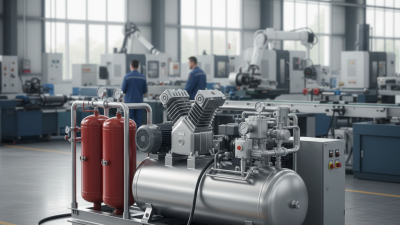
In today's business environment, reliability and efficiency are essential. An oil free compressor is becoming the choice for many industries. These compressors provide a cleaner and smarter solution for air compression. They reduce the risk of contamination, which is crucial for sectors like food and pharmaceuticals.
Selecting the right oil free compressor can be challenging. Many options exist, each with different features and specifications. Understanding your business needs is vital. Consider factors like power consumption, noise levels, and maintenance requirements. An informed choice can impact your operations significantly.
Remember, not all oil free compressors are created equal. Quality varies widely among brands. Researching reliable sources and reviews can guide your decision. Investing in a reputable oil free compressor is a step toward sustainable growth. Balancing cost with performance can be complex. It is essential to assess long-term benefits over initial expenses.
Introduction to Oil-Free Compressors and Their Advantages
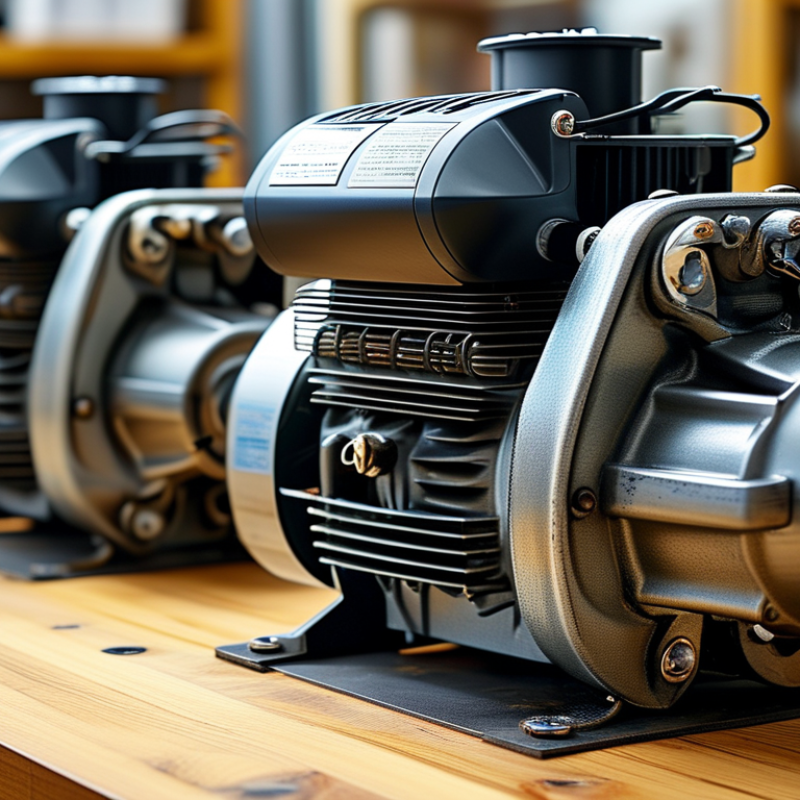
Oil-free compressors are increasingly favored in various industries. They provide clean, dry air without the need for lubrication. This feature is particularly valuable in sectors like food processing, pharmaceuticals, and electronics. According to a report by Grand View Research, the global oil-free air compressor market is expected to grow significantly, projected to reach over $13 billion by 2025. This indicates a rising demand for efficient and environmentally friendly compressor solutions.
One advantage of oil-free compressors is their low maintenance requirement. Users can save on costs associated with oil changes and potential leaks. Furthermore, these compressors generally offer lower energy consumption, leading to reduced operational costs. In fact, Energy Star estimates that using an oil-free compressor can lead to energy savings of up to 20%.
Tip: Regularly inspect your compressor for any signs of wear. This proactive approach will help maintain performance. Additionally, consider your air quality needs when selecting a compressor. Not all environments require oil-free technology, but for sensitive industries, it’s essential. Always analyze your specific application demands.
Key Features to Consider When Choosing an Oil-Free Compressor
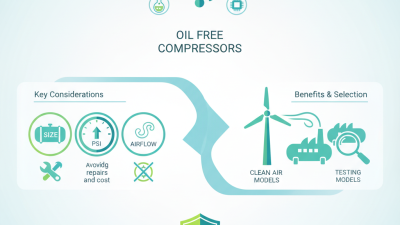
When selecting an oil-free compressor for your business, several key features are essential to consider. One primary aspect is the compressor's duty cycle. A machine designed for continuous use will offer better performance for demanding tasks. Check if the compressor can handle your workload without overheating or breaking down.
Another important factor is noise level. Many businesses operate in environments where excessive noise is detrimental. Look for compressors that specifically market low decibel levels. They contribute to a safer and more comfortable workspace. Pay attention to the specifications that detail sound output.
Tip: Always consider energy efficiency. Some models boast features that help reduce power consumption. This can lower operational costs over time. Also, ensure proper maintenance access. Regular maintenance affects the longevity and reliability of any compressor.
Finally, evaluate the portability of the compressor. If your tasks require movement between locations, lightweight and compact models are more versatile. Keep in mind that the best compressor for your needs may have trade-offs. Relying solely on specifications can lead to oversights. It's vital to test a few models in real operational conditions. This ensures that the choice made will fit your business's unique requirements.
The Best Oil Free Compressors for Your Business Needs
| Model |
Horsepower |
Max PSI |
Tank Capacity (Gallons) |
Weight (lbs) |
Noise Level (dBA) |
| Model A |
3.0 |
150 |
4 |
70 |
60 |
| Model B |
2.0 |
120 |
6 |
68 |
58 |
| Model C |
5.0 |
175 |
8 |
85 |
65 |
| Model D |
1.5 |
100 |
2 |
50 |
55 |
Top Oil-Free Compressors Recommended for Different Business Applications
In various business applications, oil-free compressors have gained prominence for their efficiency and cleanliness. These compressors offer a suitable solution for industries like food processing and pharmaceuticals. According to a report by the International Energy Agency, using oil-free technology can save up to 20% in energy costs. This figure is crucial for businesses looking to cut down on operational expenses while maintaining high-quality standards.
In environments requiring dust-free air, oil-free compressors excel. They ensure that no contaminants are introduced into the process. A study by the Compressed Air Challenge noted that 25% of factories have experienced productivity losses due to air quality issues. This statistic highlights the importance of selecting the right compressor for specific applications. Some industries may still rely on traditional models, which pose risks that need addressing.
Size and capacity matter. For small businesses, a compact model may suffice, while larger operations may require robust systems. The U.S. Department of Energy emphasizes that choosing a properly sized compressor can lead to significant energy savings and improved performance. Understanding these nuances is essential. Transitioning to oil-free compressors can be a learning curve for many. Planning and awareness of specific business needs are crucial for successful implementation.
Maintenance Tips for Prolonging the Life of Oil-Free Compressors
Maintaining oil-free compressors is essential for optimal performance.
Regular cleaning is critical. Dust and debris can clog the
intake filters. A clean filter enhances airflow and efficiency.
Check the filters every month. Replace them if necessary. This simple task can prevent major breakdowns.
Another key aspect is monitoring temperature. Oil-free compressors can
overheat if not properly ventilated. Ensure there’s plenty of space around the unit. Avoid placing it
near heat sources. Keeping the area around the compressor clean helps maintain airflow.
A cool compressor lasts longer.
Finally, consider the moisture. Even oil-free compressors can benefit from moisture traps.
These traps reduce humidity levels in the air. This action helps prevent rust and internal damage.
Regularly inspect these moisture traps. They can be easy to overlook,
but they’re vital for longevity.
Comparing Costs: Oil-Free Compressors vs. Traditional Oil-Lubricated Compressors
When comparing costs, oil-free compressors show significant advantages over traditional oil-lubricated models. You'll find that oil-free systems generally require less maintenance. This can lead to cost savings over time. Plus, they often have a longer lifespan due to reduced wear and tear.
On the flip side, oil-lubricated compressors can offer higher efficiency in certain applications. Their upfront cost is typically lower, which can attract budget-conscious businesses. Yet, the hidden costs of ongoing maintenance and oil replacement can quickly add up.
It's essential to reflect on your business needs. Do you prioritize low maintenance and clean operations? Oil-free compressors may be the right choice. However, if initial investment matters more, an oil-lubricated approach might seem appealing. Take the time to analyze your options and choose wisely.